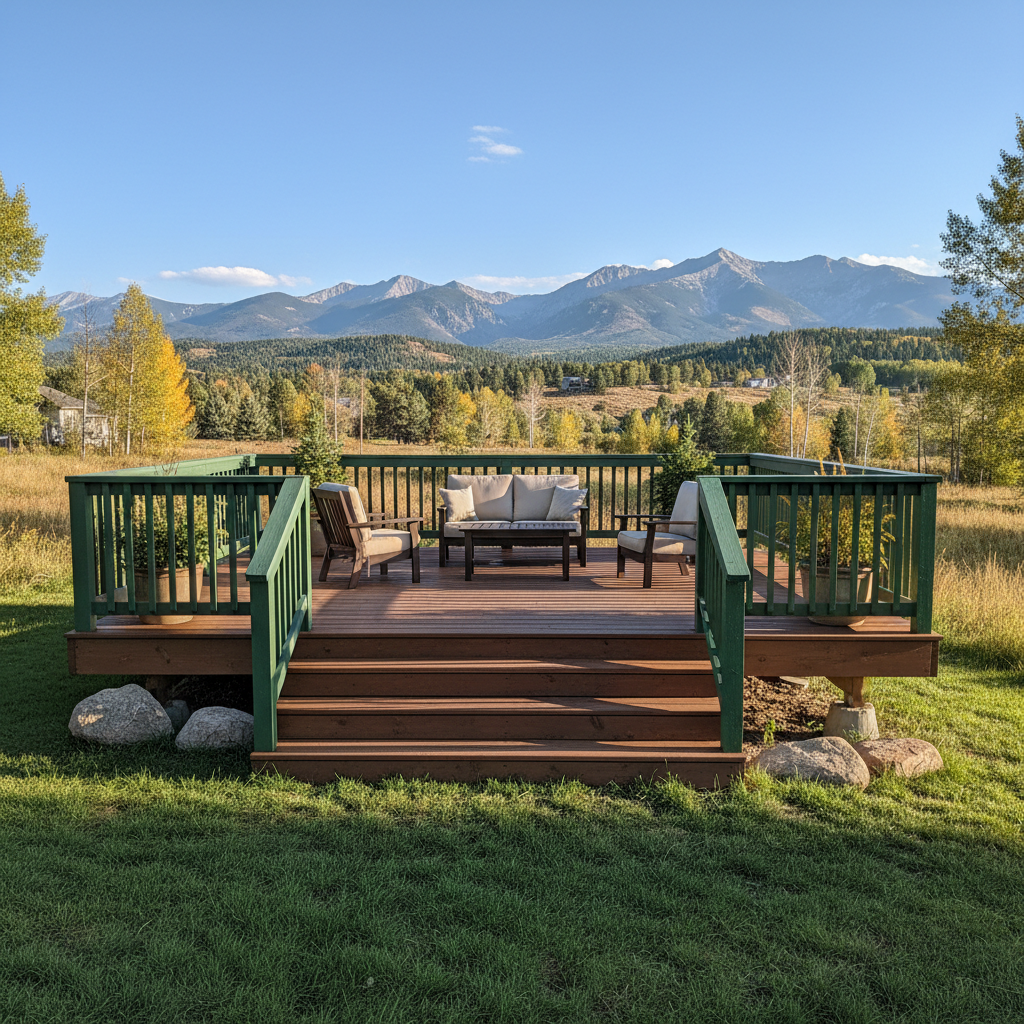
You've got a deck, and naturally, you want it to look good and last a long time. That means keeping up with painting or staining. But here in Boulder, it's not as simple as just picking a sunny weekend. Our climate, with its intense sun, dry air, and those sudden temperature swings, really puts decks through their paces. So, let's talk about when to tackle that deck project and how to make sure it actually protects your investment, shall we?
Timing is Everything: When to Stain or Paint Your Deck in Boulder
The biggest mistake I see homeowners make is trying to stain their deck at the wrong time. You can't just wait for a warm day in July and go for it. The ideal window for staining or painting a deck in Boulder is actually pretty specific. You're looking for a stretch of mild weather, usually late spring or early fall.
- Late Spring (May-June): This is often your best bet. The days are usually warm enough, but not scorching hot, and the humidity isn't too high. You've typically moved past the last freezes, and the heavy spring rains have usually tapered off by then. This gives your stain or paint plenty of time to cure properly before the intense summer sun really starts beating down.
- Early Fall (September-October): This is your second-best window. The summer heat has finally broken, and you're getting those beautiful, crisp days. Again, you'll want to avoid the first hard freezes, which can mess with curing. The key here is to watch the forecast for nighttime temperatures. If it's dipping below 40-50°F consistently at night, you're probably pushing it a bit too much.
What you absolutely want to avoid is the peak of summer. Those 90-degree days with low humidity? They'll make your stain dry way too fast, leading to an uneven finish, poor penetration, and a shorter lifespan for the coating. Same goes for those surprisingly cold, windy days in early spring or late fall; the cold can prevent proper curing, and the wind can kick up dust and debris right onto your wet surface. Nobody wants that.
Weather Conditions That Make or Break Your Deck Project
Beyond just the season, specific weather conditions on the day (and the days after) you apply the finish are critical. You need to be a bit of a meteorologist for this one, really.
- Temperature: Most stains and paints recommend application between 50°F and 85°F. Pay close attention to both daytime highs and nighttime lows. If it's too cold, the finish just won't cure. Too hot, and it'll flash dry, leaving lap marks and an inconsistent look.
- Humidity: Low humidity is generally good for drying, which we often have here. But extremely low humidity combined with high temperatures can cause problems. You want moderate humidity, ideally somewhere between 40-70%.
- Sunlight: Never apply stain or paint to a deck that's in direct, harsh sunlight. The surface temperature of the deck can be much hotter than the air temperature, leading to flash drying. Work in the shade if you can, or start early in the morning on areas that will be shaded later, then move to other sections as the sun shifts.
- Rain: This one's a no-brainer, but it's worth emphasizing. You need at least 24-48 hours of dry weather *after* application for most products to cure properly. Check the forecast for several days out. A sudden afternoon thunderstorm, which we get plenty of around here, can absolutely ruin a fresh coat of stain.
- Wind: A gentle breeze is fine; it helps with ventilation and drying. Strong winds, however, are your enemy. They'll blow dust, leaves, and all sorts of crud onto your wet deck, and they can also accelerate drying too much, causing issues.
Protecting Your Investment Year-Round: Beyond Just Staining
Applying the right finish at the right time is a huge part of protecting your deck, but it's not the only thing. Boulder's environment demands a bit more vigilance, if you ask me.
- Regular Cleaning: Don't let dirt, pollen, and debris sit on your deck. A simple sweep and occasional gentle wash with a deck cleaner (definitely not a harsh pressure washer!) will go a long way. This prevents mildew and keeps the surface clean, allowing your finish to do its job.
- Snow Removal: While a light dusting isn't a big deal, heavy, prolonged snow cover can trap moisture against your deck boards. If you can, gently clear heavy snow, especially if it's piling up against the house or railings. Just be careful not to gouge the deck with your shovel.
- Check for Damage: Do a quick inspection a couple of times a year. Look for loose boards, popped nails, splinters, or areas where the finish might be failing. Catching small problems early prevents them from becoming big, expensive ones. Especially with our freeze-thaw cycles, fasteners can loosen up over time.
- Re-Application Schedule: Most stains need re-application every 2-3 years, sometimes sooner depending on the product and how much sun exposure your deck gets. Solid stains and paints might last a bit longer, say 3-5 years. Don't wait until the finish is completely gone and the wood is graying; that means the wood has already started to suffer.
Taking care of your deck isn't just about making it look good; it's about preserving the structural integrity and extending its life. A well-maintained deck adds value and enjoyment to your Boulder home. If you're ever unsure about the best approach, or if your deck needs a more serious overhaul, you know who to call. Primetime Decks Boulder is always ready to lend a hand or offer some advice.