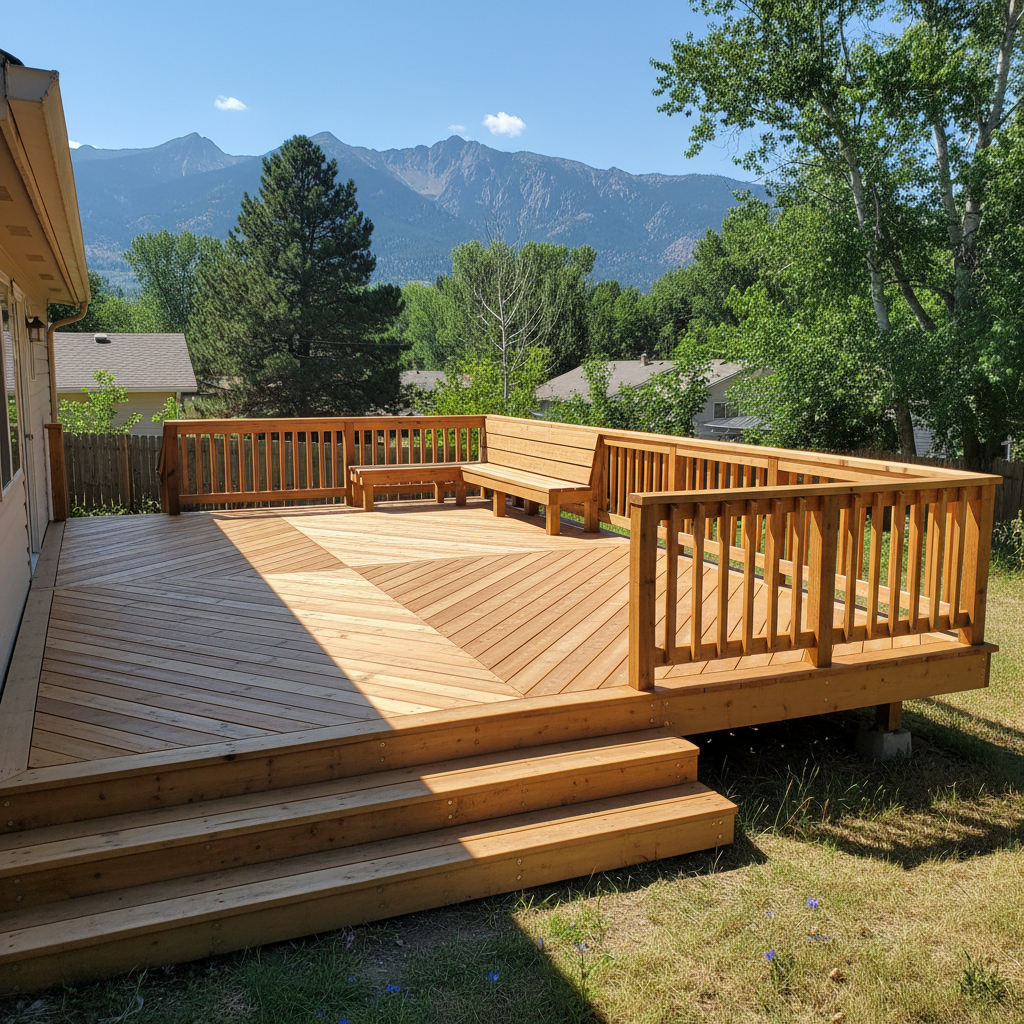
Alright, let's talk about wooden decks. Specifically, what it's gonna cost you here in Boulder. I get calls all the time from folks wondering why one quote is wildly different from another, or why their buddy's deck in, say, Longmont, cost less. There's a lot that goes into it, and 'it depends' isn't a helpful answer when you're trying to budget. So, let's get into the specifics.
What Makes Deck Prices Jump Around?
You'd think a deck is a deck, right? Nope. A bunch of factors really push the price one way or another. Here's what I'm looking at when I put together a quote:
- Size and Shape: This is a no-brainer. A bigger deck means more materials, more labor. But also, a complex shape with lots of angles, curves, or multiple levels? That's gonna cost more per square foot than a simple rectangle. Those extra cuts and framing details take time.
- Material Choices: This is a huge one. Pressure-treated pine is your most economical option, but it needs more maintenance. Cedar is beautiful, naturally rot-resistant, and a step up in price. Then you get into hardwoods like Ipe or even composite materials (which aren't wood, but often considered in the same breath). For a wooden deck, expect pine to be on the lower end, cedar in the middle, and exotic hardwoods at the top.
- Height and Foundation: Is your deck just a few inches off the ground, or are we building a second-story masterpiece? Higher decks need more substantial posts, deeper footings (especially with our expansive clay soils around Boulder, you need to go deep enough to avoid frost heave), and often more complex framing. Stairs, railings, and even structural beams become more critical and costly.
- Site Access: Can we easily get a truck and equipment right up to your backyard? Or do we have to haul every piece of lumber and bag of concrete through a narrow side yard, past rose bushes, and up a hill? Tough access adds labor time, and that adds cost.
- Permits and Design: Don't skip the permits. Boulder County is pretty strict, and for good reason. Getting the right permits and ensuring your design meets local codes is part of the job. It's not a huge cost, but it's there.
- Features and Finishes: Built-in benches, planters, custom railing designs, lighting, pergolas – all these extras are fantastic but they add to the bottom line.
Typical Wooden Deck Cost Ranges in Boulder
Okay, the numbers you've been waiting for. Based on what I've seen over the years, here's a general breakdown for a standard, ground-level or slightly elevated wooden deck (say, 150-300 sq ft) using common materials:
- Pressure-Treated Pine: You're generally looking at $35 to $55 per square foot. This is your most budget-friendly option. A 200 sq ft deck could run you $7,000 to $11,000.
- Cedar: This is a popular choice for good reason. It's beautiful and holds up well. Expect to pay $45 to $70 per square foot. That same 200 sq ft deck would be more like $9,000 to $14,000.
- Exotic Hardwoods (like Ipe): If you want the absolute best in durability and looks, but don't mind the higher price tag, these materials are fantastic. They're dense, naturally resistant to rot and insects, and last a lifetime. You're easily in the $70 to $100+ per square foot range. So, a 200 sq ft deck could be $14,000 to $20,000 or more.
Remember, these are just ranges. A multi-level deck with custom railings and built-in lighting in the Newlands neighborhood, for example, could easily push past the higher end of these estimates.
What's Included in a Primetime Decks Boulder Quote?
When I give you a quote, I'm trying to be as clear as possible. It's not just a number on a page. Here's what you can expect to see:
- Materials: All the lumber, fasteners, concrete, and anything else needed for the structure and decking itself.
- Labor: The cost for my crew to build it. This is usually the biggest chunk of the budget.
- Permit Fees: I'll handle the paperwork and inspections, and those fees are included.
- Design & Planning: Sometimes there's a small charge for detailed drawings, especially for complex projects.
- Site Preparation: Clearing the area, minor grading if needed.
- Cleanup & Debris Removal: We don't leave a mess. All construction debris gets hauled away.
What's usually NOT included unless specifically requested are things like staining or sealing (though I can recommend services), landscaping around the deck, or electrical work for fancy outdoor kitchens.
How to Avoid Overpaying for Your Deck
Nobody wants to feel ripped off. Here's my advice:
- Get Multiple Bids: Don't just go with the first guy. Get three quotes, but make sure they're quoting on the same scope of work and materials. An 'apples to apples' comparison is key.
- Be Specific About Materials: Don't just say