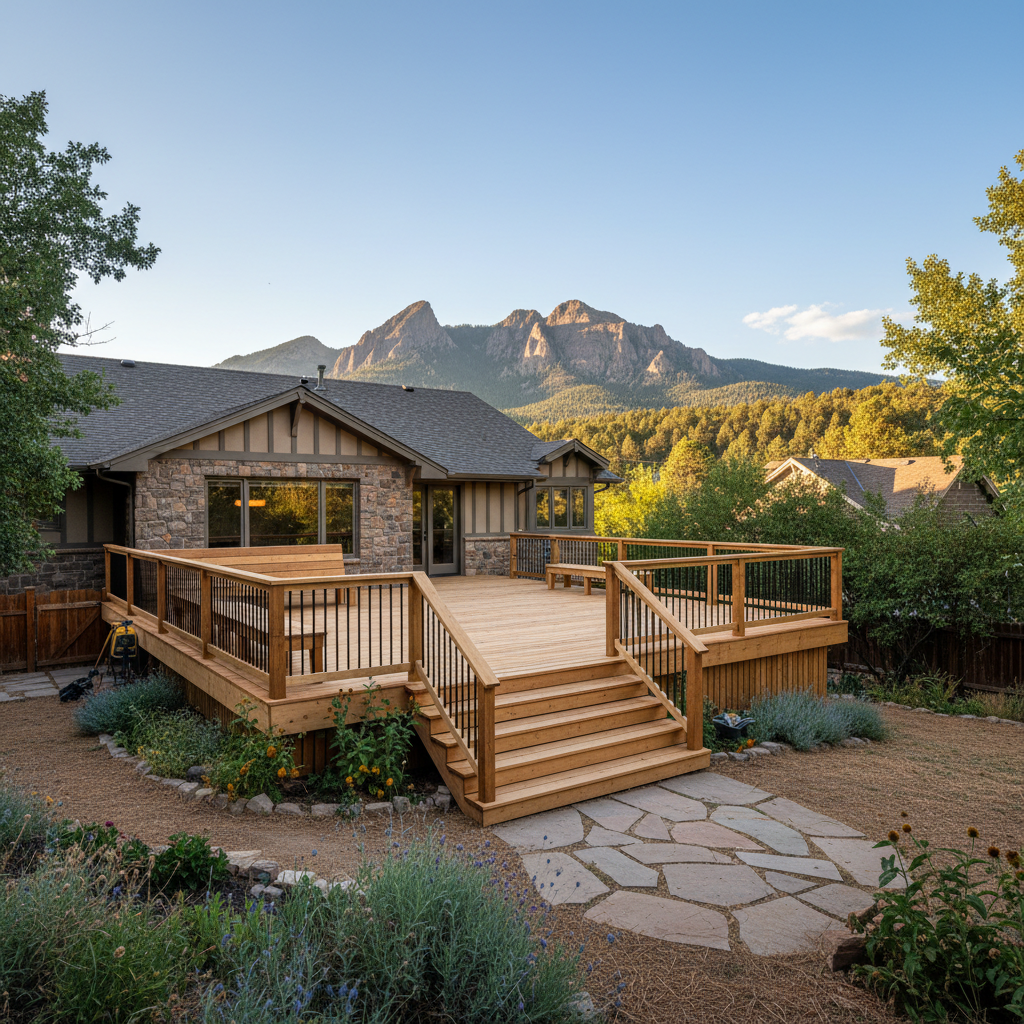
So, you've got a wooden deck here in Boulder, or maybe you're thinking about putting one in. Smart move! There's really nothing quite like the natural look and feel of wood, especially when you're kicking back and enjoying those incredible Flatiron views from your own backyard. But let's be honest, our climate around here isn't exactly easy on outdoor stuff. I've built and fixed enough decks all over town, from those classic bungalows in Newlands to the newer homes up in Gunbarrel, to know just how much punishment they can take.
The Boulder Climate: Tough on Wood
Our weather? It's a real mixed bag for wood. We get super intense UV exposure at this elevation, which just bakes the life right out of finishes and can dry the wood itself to a crisp. Then, winter hits hard with snow, ice, and those constant freeze-thaw cycles that truly test every single board. And who could forget the occasional hailstorm that can just pepper a deck surface? It's not just about how it looks, you know; it's about the whole thing staying structurally sound.
I've seen decks that were only a few years old look like they'd been left to rot for decades. Why? Simply because they weren't built or kept up with Boulder's unique conditions in mind. Little things make a huge difference: proper drainage, using the right fasteners that can handle wood expanding and contracting, and picking the best wood and finish for our altitude.
Common Wooden Deck Problems I Spot Around Boulder
When I'm out on a job, these are some of the usual suspects I run into:
- Splitting and Cracking: That intense sun and dry air really suck the moisture out of the wood, leading to surface cracks and splits. It's not just a cosmetic thing; it can actually weaken boards over time.
- Fading and Discoloration: UV rays are brutal, plain and simple. They bleach out stains and finishes, leaving your deck looking dull and washed out.
- Rot and Mildew: Even with our generally dry climate, areas that don't get much sun or good drainage — like under planters or near downspouts — can trap moisture. This is a prime spot for rot, especially if the wood wasn't treated right or sealed regularly.
- Loose Fasteners: Wood expands and contracts, remember? Cheaper screws or nails can work their way loose because of this, leading to wobbly railings or bouncy boards.
- Deck Sagging: This one's a bigger headache. It often happens because of weak support posts or footings that weren't dug deep enough to account for Boulder's expansive clay soils in certain spots. You really need to get below that frost line if you want to prevent movement.
Keeping Your Wooden Deck in Shape: What You Can Do
Look, you don't have to be a pro to keep your deck looking good, but you *do* need to be consistent. Here's what I usually tell people:
- Clean Regularly: A good scrub with a deck cleaner once a year will get rid of dirt, mildew, and grime. Just don't go crazy with a super high-pressure washer; you can actually damage the wood fibers.
- Re-seal or Re-stain: This is probably the single most important thing. Depending on the product and how much sun your deck gets, you'll want to put on a fresh coat of quality stain or sealer every 1-3 years. This protects against UV, moisture, and general wear and tear.
- Inspect for Damage: Take a walk around your deck a couple of times a year. Look for loose boards, wobbly railings, any signs of rot, or nails/screws sticking out. Catching small problems early on saves you big headaches later, trust me.
- Address Drainage: Make sure water isn't pooling on or around your deck. Clear your gutters, ensure the ground slopes away properly, and maybe move planters that tend to trap moisture.
Why Local Expertise Really Matters for Wooden Decks
Sure, you can hire any deck builder. But someone who's been working in Boulder for years, like us at Primetime Decks Boulder, truly gets these specific challenges. We know which woods hold up best here, what kind of finishes actually last through a Colorado winter and summer, and how to build foundations that won't shift with our local soil conditions. We're not just building a deck; we're building one that's designed to thrive right here in Boulder.
It's about more than just nailing boards together. It's about understanding the environment, seeing problems coming, and building something that will give you years of enjoyment without constant worrying. When you're ready to build or repair, make sure you're talking to someone who knows Boulder, not just decks.